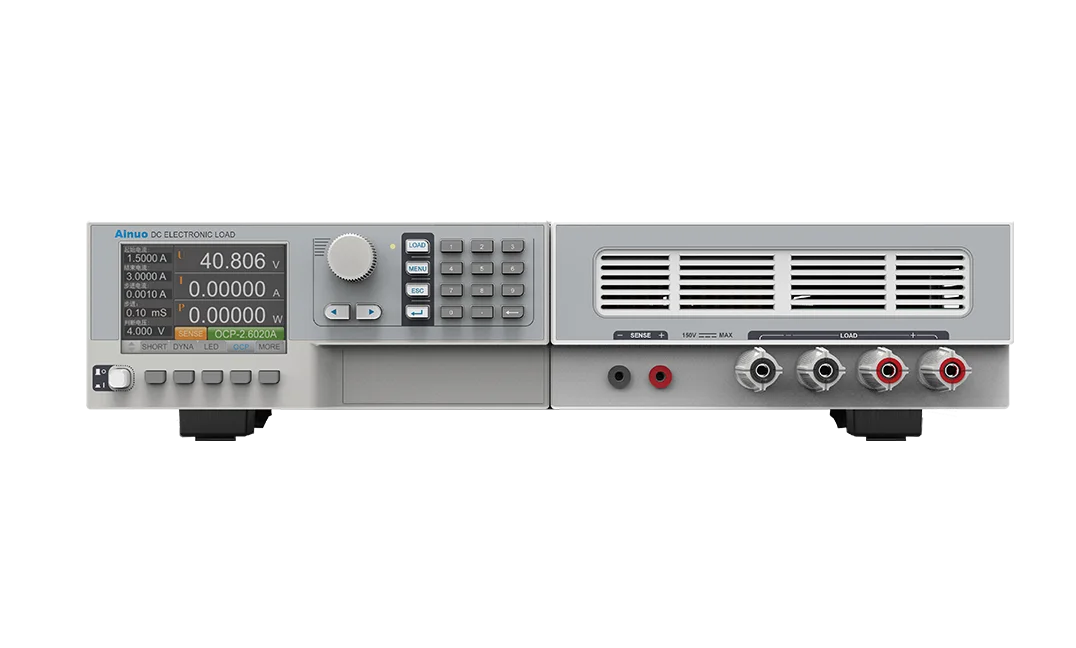
Electronic load evidence slot
This is a temporary generated placeholder. Replace it later with approved electronic load, rear-interface, rack, cabinet, production station, document-list, packing, or lab visuals after source review.
DC electronic load supplier
Use this page when a lab, factory QA team, distributor, procurement team, power electronics engineer, battery team, or system integrator needs a credible China supplier path for Ainuo programmable electronic load, DUT validation, transient testing, battery discharge, regenerative workflow, software, document, export, and RFQ review.
Electronic load sourcing works best when the buyer provides DUT, load mode, duty cycle, transient profile, interface, software, site, and document context first. Final model fit, exact ratings, regenerative suitability, documents, price, delivery, warranty, available inventory, and support terms remain case-by-case confirmation items.
Buyer assurance
A credible DC electronic load supplier page should help overseas buyers understand the route before quotation. Map the device under test, electrical range, operating mode, transient or discharge profile, duty cycle, control interface, software/data need, site conditions, document request, destination, and approval boundary before treating the RFQ as review-ready.
This is a temporary generated placeholder. Replace it later with approved electronic load, rear-interface, rack, cabinet, production station, document-list, packing, or lab visuals after source review.
Use DC electronic load support and the regenerative electronic load supplier guide to route programmable load, high-power load, battery discharge, transient response, returned-energy, regenerative, and AC/DC load discussions before model review.
Use power electronics test equipment, the source/load test equipment supplier guide, power supply test equipment, power supply test supplier support, and charger test equipment guides when source/load pairing, safety, or site context shapes the inquiry.
Use the document guide, technical support guide, and system integration guide for datasheet, programming manual, interface, calibration, software, and site questions before commitments.
Electronic load checklist
| Electronic load buyer scenario | Likely route | Buyer should prepare | Confirmation boundary |
|---|---|---|---|
| Power supply, charger, or adapter output validation | DC electronic load, power supply test, and charger test | DUT rated output, voltage, current, power, CC/CV/CR/CP, transient profile, duty cycle, interface, documents. | Ratings, modes, transient behavior, software, documents, price, delivery, and warranty require review. |
| Battery discharge or BMS pack testing | Electronic load route, charge/discharge supplier, and battery / EV test equipment | Battery type, voltage/current/power, discharge profile, channels, safety, data, cooling, site details. | Battery suitability, safety setup, long duty cycle, software behavior, and site conditions require review. |
| Converter, inverter, or power electronics validation | Regenerative load supplier, electronic load, DC source, and power electronics | Source/load pair, DUT rating, load modes, dynamic profile, data, interface, cooling, documents. | Source/load fit, mode behavior, regenerative route, software compatibility, and terms require review. |
| Production ATE, fixture, or rack station | Factory QA and system integration | Station count, rack/cabinet, fixture, barcode/MES, interface, software, duty cycle, cooling, site details. | Station fit, software behavior, rack/site suitability, support, and commercial terms require review. |
| Procurement RFQ or supplier comparison | Procurement guide, documents, and quality control | Product route, range, mode list, documents, QC request, destination, quantity, timeline, approval notes. | Price, delivery, warranty, available inventory, and customer-facing claims stay review-gated. |
This DC electronic load supplier guide improves inquiry preparation. It does not confirm model fit, specifications, load ratings, mode support, transient response, regenerative behavior, software compatibility, price, delivery, warranty, available inventory, site suitability, or support terms.
Route preparation
DC electronic load inquiry support should include DUT type, voltage, current, power, mode, duty cycle, transient profile, interface, data, cooling, and document needs.
Power electronics preparation, inverter/DC-DC test supplier preparation, regenerative load supplier support, power supply test supplier support, and charger test preparation help buyers pair source, load, battery discharge, returned-energy, safety, and site questions before route review.
Battery and EV test equipment support, the Battery / EV supplier guide, and the battery charge discharge test equipment supplier guide help buyers organize battery type, charge/discharge profile, BMS or communication, channel count, safety setup, cooling, software/data, and document questions.
Use system integration, documents, and technical support when the electronic load is part of a larger automated, software-driven, or evidence-sensitive project.
Buyer fit
Use this page to collect DUT output, load mode, transient profile, protection test, duty cycle, burn-in or aging context via the burn-in test equipment supplier guide, interface, programming, document, and calibration-context questions before model review.
Use it to prepare discharge profile, regenerative or bidirectional behavior, safety, site power, cooling, data, software, and document context before quotation review.
Use it with factory QA and system integration to prepare station count, fixture, rack, operator flow, barcode, MES, communication, and traceability needs.
Use it with distributor support, procurement guide, and supplier evaluation to align customer segment, evidence request, warranty expectation, and public claim boundaries.
Electronic load inquiry
Include DUT type, voltage, current, power, operating mode, duty cycle, transient or discharge profile, interface, software, site constraints, documents, quantity, destination, and timeline. Use the inquiry checklist or sample inquiry templates first if the RFQ is still incomplete.
Electronic load FAQ
Yes. Send DUT type, voltage, current, power, load mode, transient or discharge profile, duty cycle, interface, software, documents, quantity, destination, and timeline before model review.
Prepare the device under test, rated output, voltage/current/power range, CC/CV/CR/CP or dynamic mode need, operating hours, cooling or site limits, control interface, document requests, quantity, destination, and target purchase timeline.
Common preparation points include constant current, constant voltage, constant resistance, constant power, dynamic or transient loading, battery discharge, protection testing, and data logging. Exact mode support requires inquiry review.
Regenerative or bidirectional review is relevant for high-power, battery, EV component, charger, or energy-return workflows. Use the regenerative electronic load supplier guide when site power, cooling, safety, returned-energy path, and model suitability need deeper review.
No. Power rating, mode range, transient response, slew behavior, long-duty operation, thermal limits, software compatibility, and document availability require inquiry review confirmation.
Yes as preparation guidance. Buyers should describe station count, rack or fixture, barcode or MES, interface, software, data logging, duty cycle, cooling, site limits, and operator workflow before integration review.
No. Current visuals are generated placeholders for communication only until approved electronic load, interface, rack, cabinet, lab, packing, document, or site-use photos are available.
Start with the DC electronic load route for product-family context, power electronics, power supply test, or power supply supplier guides for application context, or the contact page to send an inquiry.